

Brand Guidelines
Writing style
Section titled “Writing style”Follow these guidelines for all content produced on behalf of Woven & Woods. This includes marketing copy, product descriptions, social media, email, and anything customer-facing.
- Always use UK English: colour, centrepiece, customise, recognise, kerb, and so on.
- Avoid meaningless corporate filler. This means no hollow superlatives (“exceptional,” “seamless,” “bespoke solutions”), no advertisement-like declarations, no corporate jargon, and no salesman’s patter.
- Officially we use the terms installation/installer instead of fitting/fitter. This is different to most of the industry, so you may need to be flexible with this rule when speaking with customers or third parties. This is especially important when it comes to SEO, as we need to match what people are searching for.
Brand name
Section titled “Brand name”The business should always be referred to as Woven & Woods - with an ampersand, not the word “and”. The only exception is where an ampersand is technically unavailable, such as in a URL, email address, or plain-text system field, in which case “Woven and Woods” is acceptable. W&W is fine when pressed for space or time, but the long form is preferred.
Brand voice
Section titled “Brand voice”The brand speaks with confident, understated authority. It is warm but not gushing, expert but not technical for its own sake, premium but never cold.
Don’t oversell. Acknowledge real trade-offs. Technical knowledge should come through specificity, rather than vague promises. Whether written or spoken, all communication should sound like someone who genuinely knows the area and the housing stock, not a national brand doing local SEO. If you don’t know the answer to a question, be honest, promise to find an answer, and follow up in a timely manner. Never try to blag it.
Humour, when it appears, is dry and understated. Never forced, never salesy. Awards and quality are acknowledged quietly. Never brag or compare our work to other retailers; our achievements and body of work should speak for themselves.
Tone by context
Section titled “Tone by context”The tone should shift slightly depending on the context, while the underlying voice stays consistent.
Product descriptions should highlight benefits over features, conveying texture, material quality, and how the finished floor will feel to live with.
Technical and installation content should be calm and reassuring, building confidence in the process without overwhelming the reader with jargon. A 5G click system is unlikely to impress anyone who’s not a builder.
Local area content should be grounded and specific, referencing real places and real building characteristics. Know your area and its residents.
Social media can be slightly warmer and more conversational, but the tone should be professional at all times. Never loud, cluttered, or exclamatory. We are trusted flooring experts, not ditzy influencers.
Customer service and FAQ content should be direct and helpful, with no unnecessary padding. The customer should never feel as if they’ve been left in the dark, or overwhelmed by technical jargon and boilerplate legalese.
Email should feel like correspondence from someone knowledgeable who is actively assisting the customer. It is not a sales channel. Be helpful, be honest, and be clear. If something has gone wrong, say so plainly, take ownership where appropriate, and focus on the solution rather than deflecting. Avoid shifting responsibility to a supplier, installer, or anyone else. The customer’s relationship is with Woven & Woods. Hard sales tactics, urgency pressure, and unsolicited upselling should be avoided at all times. A good email leaves the reader feeling informed and respected, not managed.
AI-generated text
Section titled “AI-generated text”AI can be useful for drafting copy and emails, but must be used carefully. It tends to use salesman-like phrasing, clichés, and Americanisms. Always proofread and amend its output to match the brand’s style and tone - it is a tool, not a replacement for a human being. It’s worth considering that many of our competitors have also started using AI to write anything they can’t (or can’t be bothered) to do themselves. Look out for the telltale signs on their websites and marketing materials, and learn what to avoid. The last thing Woven & Woods should sound like is one of its uninspiring competitors.
What we are not
Section titled “What we are not”Keeping these in mind helps avoid the most common content mistakes.
Do not position the brand alongside budget or national retailers such as Tapi, Wickes, or B&Q. Mentioning these names, even as a contrast, risks undermining our position by aligning us with them in the customer’s mind. Let the quality of the products and the depth of the advice speak for itself.
Do not make the brand sound cold, exclusionary, or unattainable. Premium does not mean unaffordable; we welcome customers with budgets of any size. Emphasise quality of guidance and process rather than price.
Do not imply that customers can buy online without a site visit or showroom consultation. The website supports the showrooms; it does not replace them. Inform customers of the benefits of a showroom visit, and that a site survey is standard for all installation jobs.
Do not claim the business operates nationally or beyond its stated service areas. We primarily serve South West London and the surrounding area. Check with management before making any commitments to work further afield.
Do not use generic retail language: “competitive prices,” “wide range,” “for all your flooring needs,” “one-stop shop” - all are phrases used by lower end retailers, and not something we want the customers to associate us with. Focus on specifics: the product, the material, the application, or the outcome.
Our customers
Section titled “Our customers”The typical Woven & Woods customer is a homeowner making a considered investment in their property - not looking for the cheapest option. They want to get it right, and they value expert guidance, clear accountability, and a process that does not exhaust them.
The business has deep experience with local housing stock: Victorian terraces with uneven boards and subfloor movement, Regency townhouses with their own structural quirks, Thames-side apartments with humidity challenges, and contemporary new-builds and glass-walled extensions requiring a different approach again.
Don’t be discouraged when a customer goes with another retailer (or even online) because they were cheaper. We welcome customers of all budgets, and will always try to find a solution that works for them, but sometimes we’re just not the right fit.
The customer journey
Section titled “The customer journey”-
Discovery. The customer finds us through search, word of mouth, social media, or a walk past the showroom. They may be at the very beginning of a project or simply looking for ideas. Content at this stage should be welcoming and informative, not pressuring.
-
Showroom visit. The customer visits Twickenham or Richmond to explore the range in person. Our job is to help them find the right product for them, not to push them into a sale. Customers are encouraged to handle materials and ask questions at their own pace.
-
Sample loan. Customers are encouraged to borrow samples to take home. Seeing a floor in their own rooms, under their own light, is the only reliable way to be certain before committing. The fact we lend our full-size showroom samples is one of the many benefits of buying from Woven & Woods, so encourage customers to borrow samples rather than committing in the showroom.
-
Site survey. A member of the team visits the property to assess the subfloor, take measurements, and identify any technical issues before quoting. This is a standard part of the process for all installation jobs.
-
Quotation. A detailed, itemised quote is provided. The quote will usually be sent to the customer by email in PDF format for their convenience, and the customer is allowed time to consider it before confirming. They should never feel pressured to accept, but a polite chaser a few days later is absolutely fine.
-
Installation. Carried out by our trusted network of independent specialist installers. We only install products we have sourced ourselves, and the customer has a single point of contact throughout.
-
Aftercare. The relationship doens’t end after installation. Customers can return with questions about maintenance, care, or future projects.
Colours
Section titled “Colours”Primary colours
Section titled “Primary colours”Secondary colour
Section titled “Secondary colour”Neutrals
Section titled “Neutrals”Category colours
Section titled “Category colours”These colours are reserved for specific product category pages on the website. They should not be used as general brand colours elsewhere.
In most cases, use the horizontal variant, unless one of the others is more appropriate.
Horizontal
Section titled “Horizontal”
Horizontal Lockup
Section titled “Horizontal Lockup”
Stacked
Section titled “Stacked”
Stacked Lockup
Section titled “Stacked Lockup”

How to use the logo
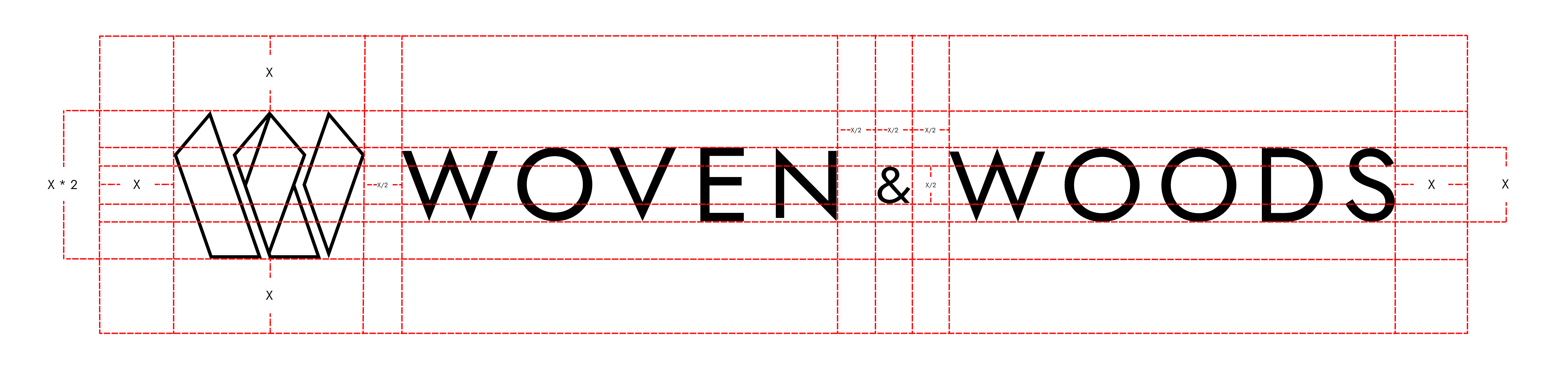
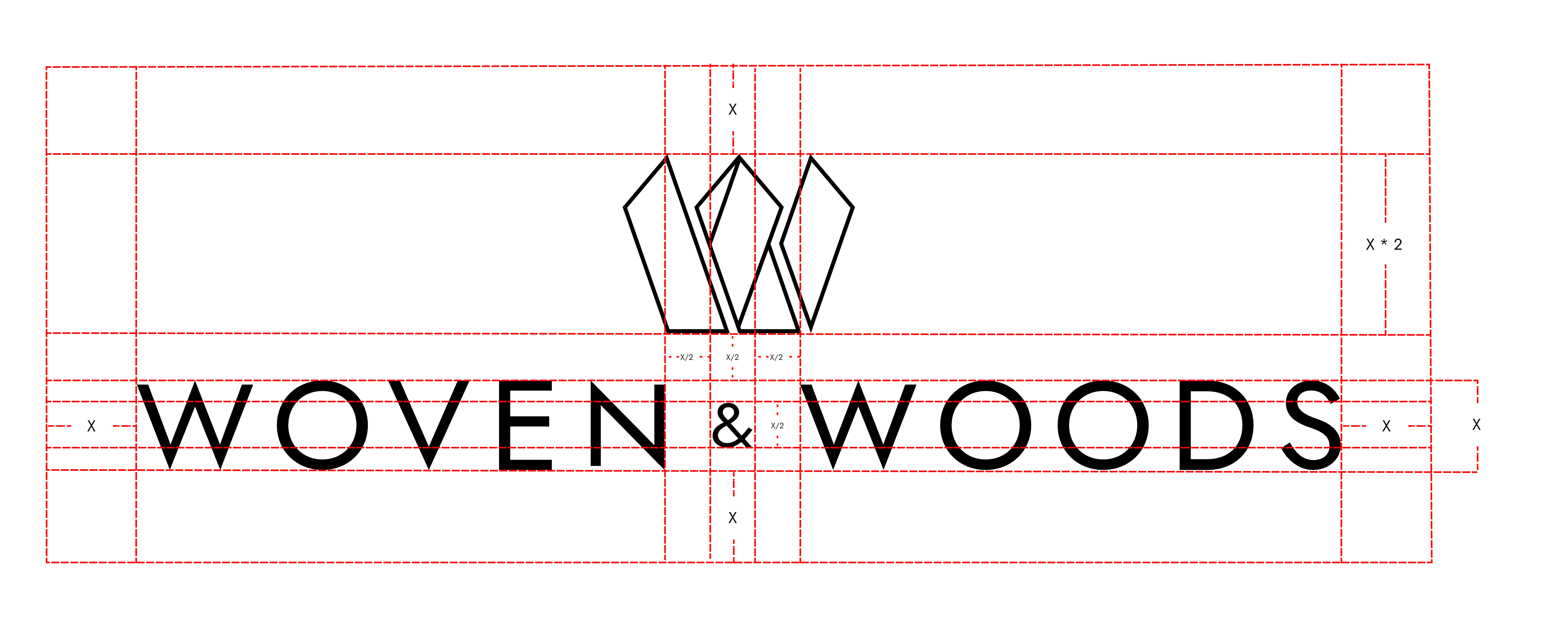
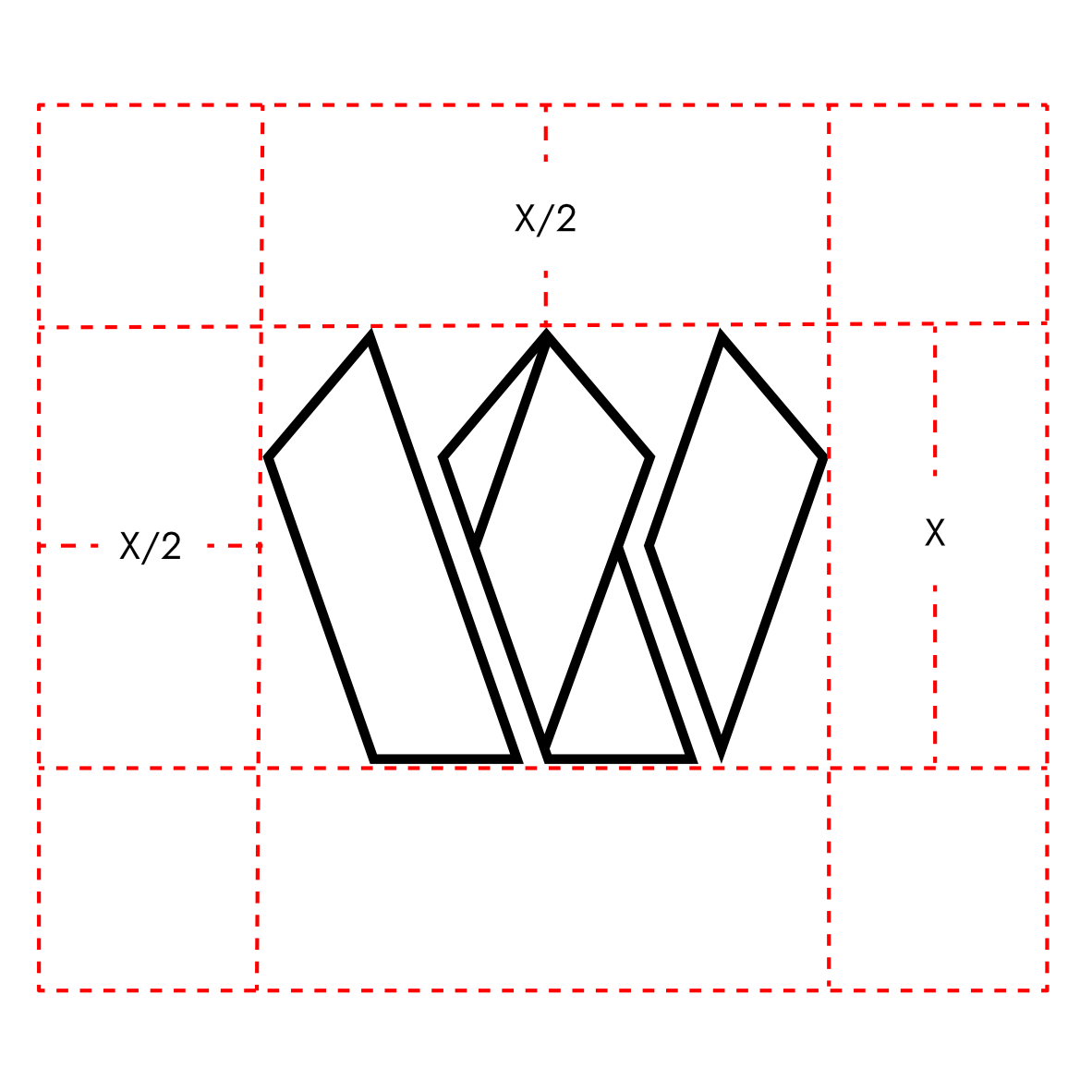
Section titled “How to use the logo”The diagrams below show the minimum clear space that should be kept between the logo and other elements. In most cases, the gap on all sides should be equal to the height of the letters in the wordmark (x). For the icon alone, use half that height (x / 2). If in doubt, the O character is a reasonable visual guide.
Logo usage rules
Section titled “Logo usage rules”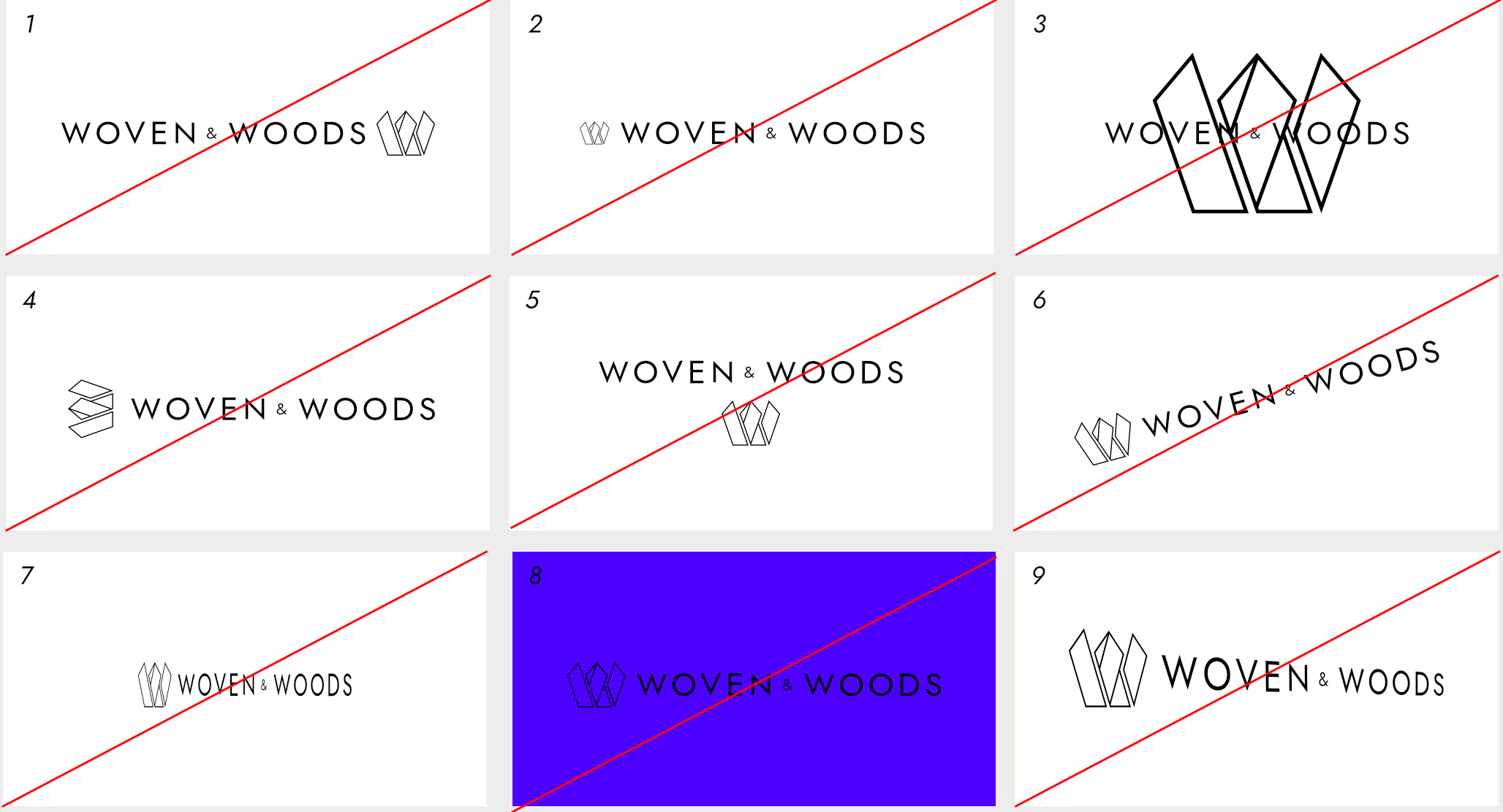
- Do not move the icon to the right of the wordmark. It must always be to the left (horizontal layouts) or above (stacked layouts).
- The icon should always be twice the height of the wordmark.
- Do not superimpose the wordmark over the icon.
- Do not rotate the icon.
- Do not place the icon underneath the wordmark.
- The logo should always be upright. In rare circumstances a 90-degree rotation may be appropriate, but never any other angle.
- Do not distort any element of the logo.
- Make sure the logo is clearly visible against its background. Light and dark versions are available - use whichever is appropriate.
- Do not apply perspective effects. The logo must always be front-facing.
Primary Font
Section titled “Primary Font”Our primary font is Jost. Use it for all marketing materials and customer-facing content. Please use the 300 or Light weight, unless the specific design calls for a heavier weight for visibility. You may use italic sparingly for emphasis.
- If you do not already have Jost installed, find it on Google Drive at
G:\Shared drives\Showroom\Tickets & Labels\Ticket Fonts\Jost. - You can also download it for free from Google Fonts at
https://fonts.google.com/specimen/Jost. Click Get font and then Download all.
Secondary Font
Section titled “Secondary Font”Nyght Serif is used for prominent display headings only, where an editorial quality is needed. It is not for body text, and should be used sparingly - it is an accent, not a workhorse. Please try to use the Regular weight if possible.
- Nyght Serif is also saved on Google Drive. You can find it at
G:\Shared drives\Showroom\Tickets & Labels\Ticket Fonts\Nyght Serif - You can download Nyght Serif for free from the creator’s website at
https://www.tunera.xyz/fonts/nyght-serif/. Just click the Download Nyght-Serif! link.